- Leadership That Feels Like You
- Because we are all leaders—and it’s time to lead your way, with joyful purpose.

Most people think of coaching as a skill or as a profession. It is actually many things. Let’s explore some of them.
We need to understand the different facets of coaching in order to explore its full potential. Each element brings something unique to the table and can have its own impact on society. For example, you can see how I apply this concept to coaching for social change by clicking here.
50 years ago, coaching was something done on the sidelines in sports. Today, it has many applications. Woven together, these facets create a rich web of opportunities for transformation.
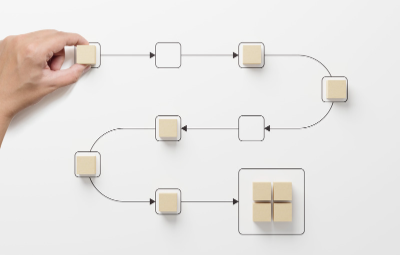




Coaching works as a process or set of skills
Coaching as an action
Coaching as a mindset
Coaching can be an approach to leadership and life
Coaching as a profession
Please comment and share this article with your network using the social media buttons below. You can also check out other articles in my blog. Don’t forget to subscribe to this site for exclusive offers and content. I respect my subscribers and their privacy. Thanks!

Coaches. Sisters. Writers. Collaborators.